Forgiveness sounds simple when people talk about it. In real life, it often feels anything but simple. Understanding the power of forgiveness begins when you recognize how deeply unresolved pain can shape your thoughts, emotions, and daily reactions.
Someone hurt you. The pain did not disappear when the moment passed. The memory still returns without warning. Sometimes anger rises again. The effort of carrying it becomes tiring. Before you know it, you feel trapped in a story you never chose.
Forgiveness does not erase what happened. It does not pretend the pain was small or acceptable. Forgiveness changes something deeper. It changes how much power the past has over your present.
What Forgiveness Truly Means
Forgiveness is a choice to release anger, bitterness, resentment, and the desire for revenge. It is an internal decision, not an external agreement.
Forgiveness does not mean:
- Saying the harm was acceptable
- Forgetting the experience
- Trusting someone again
- Staying in a harmful or unsafe situation
Forgiveness means you stop carrying the emotional weight of what happened. You no longer allow the pain to control your inner life.
Remembering what happened does not prevent forgiveness. Protecting yourself does not either. Forgiveness is about freedom, not denial.
Why Forgiveness Has Real Power
Unforgiven pain keeps the body and mind in a state of tension. Anger activates stress hormones. The nervous system stays alert, as if the threat is still present.
The mind replays conversations. The body reacts as if the wound is new.
Forgiveness interrupts this cycle.
When forgiveness begins, the body starts to relax. Stress hormones decrease. Thoughts slow down. Emotional pressure eases. This is where the real power of forgiveness begins.
Forgiveness is not about changing the past. It is about changing how the past lives inside you.

Emotional Benefits of Forgiveness
Forgiveness Reduces Anger
Anger consumes energy. It keeps emotional wounds open and drains mental focus.
Research shows that people who practice forgiveness often experience:
- Less intense anger
- Fewer emotional triggers
- Improved mood stability
- Greater emotional resilience
Forgiveness helps the mind release the need to replay the hurt over and over. When anger softens, emotional balance returns.
Forgiveness Creates Inner Peace
Peace does not come from proving a point or holding onto bitterness. Peace comes from release.
Forgiveness creates emotional space. In that space, calm, patience, and clarity can grow. Inner peace becomes possible again, not because the past changed, but because your relationship with it did.
Mental Health Benefits of Forgiveness
Modern psychology continues to highlight the mental health benefits of forgiveness.
Harvard Health reports that forgiveness is linked to:
- Lower anxiety levels
- Reduced symptoms of depression
- Improved emotional regulation
- Greater overall psychological well-being
The Mayo Clinic also connects forgiveness with lower stress levels and healthier coping responses.
Forgiveness sends a signal of safety to the brain. When the brain no longer feels threatened by unresolved pain, healing becomes easier. Thought patterns soften. Emotional reactions become less intense.
Forgiveness supports mental stability by reducing the constant emotional load that unresolved anger creates.
Physical Health Benefits of Forgiveness
Forgiveness affects the body in measurable ways. Emotional stress does not stay emotional. It becomes physical over time.
Studies associate forgiveness with:
- Lower blood pressure
- Reduced heart strain
- Improved sleep quality
- Better immune system function
Chronic anger keeps the body in survival mode. Muscles stay tense. The heart works harder. Sleep suffers.
Forgiveness helps the body exit that stress response. Healing begins when the body is allowed to rest.
Forgiveness and Self-Forgiveness
Why Self-Forgiveness Feels Hard
Many people find it easier to forgive others than to forgive themselves.
Mistakes replay in the mind. Shame grows louder. Guilt becomes a constant background noise.
Self-forgiveness feels difficult because people often confuse it with excusing behavior. They fear that forgiving themselves means avoiding responsibility.
In truth, the opposite is often true.
What Self-Forgiveness Really Is
Self-forgiveness means:
- Accepting human imperfection
- Acknowledging mistakes honestly
- Learning from experience
- Choosing growth instead of lifelong punishment
You can take responsibility without carrying endless shame. Self-forgiveness allows learning without self-destruction.
Forgiveness vs Reconciliation
Forgiveness and reconciliation are often confused, but they are not the same.
Forgiveness:
- Happens inside you
- Releases emotional pain
- Does not require contact
- Does not depend on the other person
Reconciliation:
- Requires trust
- Requires changed behavior
- Requires safety
- Involves relationship repair
You can forgive someone and still choose distance. You can forgive and still protect yourself. Forgiveness frees the heart. Reconciliation depends on consistent actions.
Forgiveness and Healthy Boundaries
Forgiveness does not remove boundaries. In fact, healthy forgiveness often strengthens them.
You can forgive and still say:
- No more access
- No more harm
- No more excuses
Boundaries protect healing. They support self-respect and emotional safety. Forgiveness and boundaries work together, not against each other.
Is Forgiveness a Virtue?
Many philosophical and spiritual traditions describe forgiveness as a virtue.
A virtue shapes character. Forgiveness strengthens patience, humility, empathy, and emotional maturity. It does not deny justice. It does not excuse wrongdoing.
Forgiveness frees the one who forgives from being trapped by resentment. It transforms pain into wisdom rather than bitterness.
The Power of Forgiveness in the Bible
The Bible presents forgiveness as a path to freedom and peace.
Joseph forgave his brothers after betrayal and abandonment. His forgiveness ended years of internal suffering and allowed his future to unfold without bitterness.
Jesus taught forgiveness as an act of strength rooted in love and wisdom. Biblical forgiveness emphasizes:
- Releasing bitterness
- Trusting God with justice
- Choosing peace over resentment
Forgiveness is shown as a spiritual discipline that supports emotional healing and personal growth.
How to Begin Forgiveness Step by Step
Forgiveness often begins slowly. It does not require forcing emotions to change overnight.
Step 1: Name the Hurt
Speak honestly about what happened. Do not minimize the pain.
Step 2: Acknowledge the Pain
Pain fades when it is recognized rather than suppressed.
Step 3: Choose Release
You cannot change the past. You can choose how much power it holds.
Step 4: Practice Daily Letting Go
Forgiveness often grows through repetition, not one decision.
Step 5: Be Patient
Forgiveness is usually a process, not a single moment.
A Real-Life Example of Forgiveness
Imagine experiencing a betrayal at work. Each reminder brings anger. Each interaction reopens the wound.
Holding onto that anger ties you emotionally to the moment of betrayal. Forgiveness loosens that tie.
The memory may remain, but the emotional charge fades. Focus returns. Energy shifts forward.
This is forgiveness in action.
Common Myths About Forgiveness
Forgiveness shows weakness
Truth: Forgiveness requires emotional strength and courage.
Forgiveness means forgetting
Truth: Memory remains. Emotional pain softens.
Forgiveness benefits the offender
Truth: Forgiveness benefits the forgiver first.
Frequently Asked Questions About Forgiveness
Forgiveness reduces stress and restores emotional balance, which supports mental and physical health.
No. Trust depends on consistent behavior and safety.
Forgiveness depends on the depth of the hurt and often unfolds over time.
Yes. Research links forgiveness to lower stress, better sleep, and improved heart health.
Many faith traditions view forgiveness as essential to peace, freedom, and maturity.
Why Forgiveness Leads to Lasting Freedom
Forgiveness removes emotional chains. It stops the past from controlling reactions in the present.
When forgiveness takes root, emotional energy returns. Choices become clearer. Freedom grows where forgiveness lives.
Forgiveness does not change what happened. It changes what happens next.
Call to Action
Take one small step today.
Think of one situation where forgiveness could bring peace. Write it down. Reflect on it without pressure.
If this article helped you, share your thoughts or questions in the comments. Your experience may help someone else begin healing.
Forgiveness changes lives. It can change yours too.
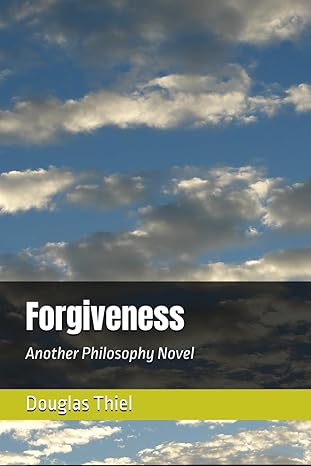
Philosophy Meets Real-Life Redemption
Forgiveness: Another Philosophy Novel
By Douglas Thiel
A profound story of a young man wrongfully accused, shaped by war, justice, and the search for inner peace. Douglas Thiel’s Forgiveness: Another Philosophy Novel explores guilt, redemption, and the healing power of letting go.
- A gripping philosophical fiction about forgiveness and truth
- Explores the human struggle with guilt, justice, and grace
- Perfect for readers of moral and reflective literature