



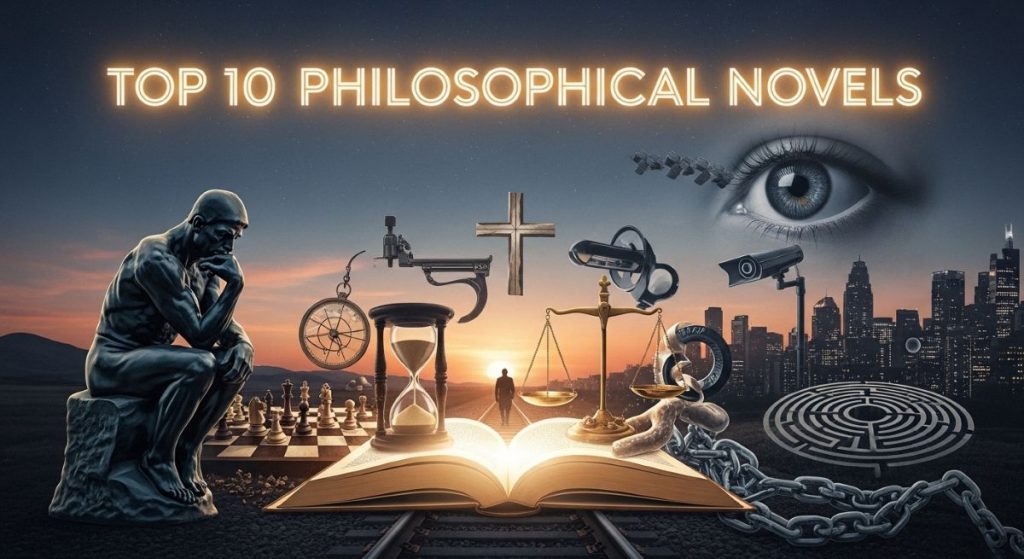
Philosophical novels are more than just stories; they’re an invitation to explore the deepest questions about life, existence, and human nature. These books tackle topics like the meaning of life, the nature of reality, morality, and freedom. Whether you’re a seasoned philosopher or just starting your journey into philosophy, reading philosophical novels can provide fresh perspectives and challenge your worldview.
In this article, we will explore the top 10 philosophical novels that will help you think deeply about life and its big questions. From existentialism to ethics, these books will take you on a journey that is both thought-provoking and eye-opening.
What is a Philosophical Novel?
A philosophical novel is a type of literature that delves into deep and often complex questions about human existence, morality, knowledge, and the meaning of life. Unlike regular novels, these books often contain direct discussions or explorations of philosophical ideas. Philosophical novels may not always be written in a straightforward way, but they engage with ideas that make readers question their own beliefs and assumptions.
These books often examine universal human experiences such as love, death, freedom, and responsibility. Many philosophical novels also challenge traditional thinking, encouraging readers to rethink common ideas about society, culture, and morality.

Philosophy Meets Real-Life Redemption
Forgiveness: Another Philosophy Novel
By Douglas Thiel
A profound story of a young man wrongfully accused, shaped by war, justice, and the search for inner peace. Douglas Thiel’s Forgiveness: Another Philosophy Novel explores guilt, redemption, and the healing power of letting go.
- A gripping philosophical fiction about forgiveness and truth
- Explores the human struggle with guilt, justice, and grace
- Perfect for readers of moral and reflective literature
1. Sophie’s World by Jostein Gaarder
Overview: Sophie’s World is a novel that introduces the history of philosophy through the eyes of Sophie, a young girl who begins to receive mysterious letters about different philosophers and their ideas. Through these letters, Sophie learns about some of the most important philosophers in history, from ancient Greek thinkers to modern-day philosophers.
Why It’s Philosophical: This novel is a journey through the history of philosophy. It introduces complex ideas in a simple, accessible way, making it a great choice for beginners who are interested in learning more about philosophy.
Themes: Knowledge, existence, the search for meaning.
2. The Stranger by Albert Camus
Overview: In The Stranger, we meet Meursault, a man who is indifferent to the world around him. He lives a simple, detached life until a tragic event forces him to confront the meaning of his actions and his existence.
Why It’s Philosophical: This novel introduces the philosophy of absurdism, which argues that life is inherently meaningless, and it’s up to individuals to create their own meaning. Meursault’s journey challenges readers to reflect on their own existence and the meaning they give to their lives.
Themes: Absurdism, existentialism, the search for meaning.
3. 1984 by George Orwell
Overview: 1984 is set in a totalitarian society controlled by a government that monitors and manipulates everything and everyone. The protagonist, Winston Smith, begins to question the reality created by the government and yearns for freedom.
Why It’s Philosophical: This novel critiques the nature of truth, power, and freedom. It asks important questions about how governments can control reality, manipulate truth, and suppress individuality.
Themes: Totalitarianism, freedom, truth, the role of government.

4. The Brothers Karamazov by Fyodor Dostoevsky
Overview: This classic novel follows three brothers, each representing different aspects of human nature, as they struggle with questions of faith, morality, and free will. The story is deeply philosophical, exploring profound questions about the existence of God, the nature of good and evil, and the human struggle with faith.
Why It’s Philosophical: Dostoevsky’s masterpiece engages with deep theological and philosophical issues, making it a must-read for anyone interested in the meaning of life and the nature of faith.
Themes: Faith, free will, morality, the problem of evil, the existence of God.

5. Zen and the Art of Motorcycle Maintenance by Robert Pirsig
Overview: This novel is a mix of memoir and philosophical exploration. It follows the narrator as he embarks on a road trip with his son, using the metaphor of motorcycle maintenance to discuss the concept of “quality” and how it connects to both technology and philosophy.
Why It’s Philosophical: Pirsig explores how we balance the rational and the romantic aspects of life. The novel challenges readers to think about how they approach work, technology, and life itself through the concept of “quality.”
Themes: Quality, technology vs. philosophy, self-reflection, work-life balance.

6. Crime and Punishment by Fyodor Dostoevsky
Overview: Crime and Punishment follows Rodion Raskolnikov, a young man who commits murder and deals with the overwhelming guilt that follows. The novel explores his psychological turmoil and philosophical questions about morality and justice.
Why It’s Philosophical: The novel challenges readers to think about the nature of good and evil, as well as the consequences of crime. Raskolnikov’s internal struggles with guilt and redemption raise important ethical questions.
Themes: Guilt, redemption, morality, justice.
7. Atlas Shrugged by Ayn Rand
Overview: Set in a dystopian society, Atlas Shrugged presents a world where the government controls everything, and individual creativity and achievement are stifled. The story follows a group of businessmen and women who rebel against this system.
Why It’s Philosophical: The novel introduces Rand’s philosophy of Objectivism, which emphasizes individualism, self-interest, and capitalism. It raises questions about the role of the individual versus society and the nature of freedom.
Themes: Individualism, self-interest, capitalism, freedom.
8. The Unbearable Lightness of Being by Milan Kundera
Overview: Set in Soviet-occupied Czechoslovakia, The Unbearable Lightness of Being explores the lives of four characters who navigate love, politics, and personal freedom. The novel looks at the tension between lightness and weight, freedom and responsibility.
Why It’s Philosophical: The novel explores existential questions about freedom, choice, and the meaning of life. It challenges readers to reflect on the significance of their own choices and actions.
Themes: Love, freedom, existentialism, lightness vs. weight.
9. Siddhartha by Hermann Hesse
Overview: Siddhartha is the spiritual journey of a young man named Siddhartha, who sets out to find enlightenment. The novel follows his path through different stages of life, from indulgence and pleasure to self-discipline and spiritual awakening.
Why It’s Philosophical: The novel explores the nature of suffering, enlightenment, and self-discovery. It presents a spiritual journey that encourages readers to reflect on their own path to personal fulfillment.
Themes: Enlightenment, self-discovery, spirituality, the nature of suffering.
10. The Trial by Franz Kafka
Overview: The Trial follows Josef K., who is arrested and put on trial for an unknown crime. The novel explores the absurd and surreal nature of the legal system and the feelings of guilt, helplessness, and alienation that come with it.
Why It’s Philosophical: Kafka’s novel delves into the themes of absurdity, alienation, and the bureaucratic systems that control our lives. It questions the nature of justice and the individual’s role within oppressive systems.
Themes: Absurdity, justice, alienation, guilt.
Common Mistakes When Reading Philosophical Novels
While philosophical novels offer deep insights, they can sometimes be difficult to understand. Here are some common mistakes to avoid when reading these kinds of books:
- Rushing Through the Text: Philosophical novels often introduce complex ideas. Take your time and read carefully to fully understand the philosophical concepts.
- Ignoring the Context: Many philosophical novels are deeply connected to historical or cultural contexts. Understanding the time period or philosophical movement behind the novel can help you appreciate its meaning.
- Skimming Over Character Development: Philosophical novels often focus on the internal struggles of characters. Pay attention to how characters evolve and how their personal journeys reflect the larger philosophical themes.
Frequently Asked Questions (FAQs)
A philosophical novel explores important questions about life, morality, knowledge, and existence. These books often dive deep into abstract concepts, challenging readers to think critically and reflect on their own beliefs.
Philosophical novels can be complex, but many are written in an accessible way. If you’re new to philosophy, start with books like Sophie’s World, which present ideas in a simpler, more approachable format.
Yes! Philosophical novels encourage readers to question their assumptions, explore new perspectives, and rethink their beliefs about life and existence.
Not necessarily. While understanding some philosophical ideas can enhance your reading experience, many philosophical novels are written in a way that allows anyone to enjoy them.
Take your time and reflect on the themes and ideas presented. Consider discussing the book with others to gain new insights, and don’t be afraid to revisit sections that challenge you.
Conclusion
Philosophical novels provide a unique way to explore life’s big questions. Whether you’re interested in existentialism, ethics, or the nature of reality, these books offer valuable insights that can shape the way you view the world. By reading these top 10 philosophical novels, you’ll embark on a journey of self-discovery and thought-provoking reflection.
For further exploration of philosophical fiction, check out additional resources on Top Philosophical Fiction Books, and explore related titles on Doug Thiel’s Book Collection. These books will guide you through profound ideas and provide new perspectives that can last a lifetime.


