
Photo by Sean Stratton on Unsplash
‘Is forgiveness a virtue?’ sits at the center of moral debate, not because the idea feels vague, but because it feels demanding. People praise forgiveness as noble, mature, even necessary. Yet many also resist it, seeing it as unfair, premature, or undeserved. The intensity comes from experience. Forgiveness asks something real from a person who has been hurt, and moral theories do not always agree on whether that request is justified.
Philosophers have argued about mercy, resentment, justice, and moral character for centuries, but the question ‘is forgiveness a virtue’ forces those ideas out of theory and into daily life. Forgiving a minor slight differs from forgiving betrayal, violence, or abandonment. That gap matters. It shapes whether forgiveness looks like moral strength or moral surrender.
This article examines forgiveness and focuses on what philosophers mean when they talk about virtue, what forgiveness actually requires, and when refusal to forgive makes moral sense. The goal is straightforward. Moral value earns its place through authenticity.
What Philosophers Mean by Virtue
Virtue ethics starts with character. Aristotle framed virtue as a stable trait that helps a person live well and act rightly. Courage, honesty, and fairness count as virtues because they guide action toward human flourishing. A virtue balances excess and deficiency. Too much fear leads to cowardice. Too little leads to recklessness.
When philosophers ask is forgiveness a virtue, they measure it by that same standard. A virtue should promote moral clarity and social trust. It should not distort judgment or excuse harm. This matters because forgiveness involves emotion, memory, and moral evaluation. It is not a reflex. It is a stance toward wrongdoing.
Some traditions treat forgiveness as a moral duty. Others frame it as a personal excellence that develops over time. Still others reject it as a virtue at all, arguing that anger and resentment protect moral boundaries. The disagreement shows that forgiveness resists easy classification.
Forgiveness Versus Forgetting
Many people confuse forgiveness with forgetting. Philosophy draws a sharp line between the two. Forgetting erases memory. Forgiveness preserves memory but changes its moral grip. A person who forgives does not deny harm or revise history. They acknowledge the wrong and choose not to let it govern future action.
This distinction shapes how thinkers answer is forgiveness a virtue. If forgiveness required forgetting, it would reward denial. Most philosophers reject that view. Genuine forgiveness involves clear-eyed judgment. It names the harm without demanding repayment through hostility.
That clarity matters because moral growth depends on truth. A virtue that relies on amnesia fails as a moral guide. Forgiveness gains value only when it respects facts.
Anger, Resentment, and Moral Boundaries
Anger plays a complicated role in ethics. Aristotle described righteous anger as a response to injustice. It signals that a boundary has been crossed. Some modern philosophers argue that resentment protects moral self-respect. Without it, people accept mistreatment too easily.
This raises a problem for anyone asking is forgiveness a virtue. If anger has moral value, forgiveness can appear suspect. It can look like a refusal to hold others accountable. Critics argue that forgiveness short-circuits justice by softening moral judgment.
Others respond that forgiveness does not erase judgment. It reframes it. A person can condemn an action while releasing the desire for retaliation. In that view, forgiveness limits anger without denying its signal. It prevents anger from turning corrosive.
The debate turns on proportion. Excessive resentment traps a person in the past. Unchecked forgiveness risks moral numbness. Virtue lives in the balance.
Religious Roots and Philosophical Tensions
Many modern ideas about forgiveness draw from religious traditions. Christianity, in particular, frames forgiveness as central to moral life. That influence shapes cultural expectations even in secular settings.
Philosophy does not accept religious claims by default. When philosophers ask is forgiveness a virtue, they strip away divine command and focus on human reasoning. The question becomes practical. Does forgiveness improve moral character? Does it support justice? Does it promote truthful relationships?
Some thinkers argue that religious forgiveness asks too much. It demands mercy even when wrongdoers show no remorse. That demand conflicts with moral accountability. Others argue that unconditional forgiveness reflects moral courage, not weakness.
These tensions explain why forgiveness remains contested. It sits at the intersection of theology, psychology, and ethics, and none of those fields agree completely.
Forgiveness and Justice Are Not Enemies
A common mistake treats forgiveness and justice as opposites. Philosophy rejects that simple split. Justice concerns a fair response to wrongdoing. Forgiveness concerns the emotional and moral stance of the injured party. One can pursue justice and still forgive.
This point matters when deciding is forgiveness a virtue. If forgiveness required abandoning justice, it would undermine social trust. Most philosophers deny that requirement. Legal accountability and personal forgiveness address different needs.
A victim can forgive while supporting punishment. Forgiveness changes the victim’s inner orientation, not the public response to crime. That separation preserves moral order.
The Stanford Encyclopedia of Philosophy offers a detailed discussion of these distinctions in its analysis of moral responsibility and blame, which helps clarify why forgiveness does not dissolve justice but reshapes personal response.
Power, Pressure, and Forced Forgiveness
Forgiveness loses moral value when imposed. Social pressure often pushes victims to forgive before they are ready. That pressure distorts the moral landscape. It treats forgiveness as a performance rather than a choice.
Philosophers emphasize agency. A virtue requires voluntary commitment. If forgiveness comes from fear, guilt, or coercion, it fails as virtue. This insight sharpens the answer to is forgiveness a virtue. Forgiveness counts only when freely chosen with full recognition of harm.
Forced forgiveness protects abusers. It silences anger that signals injustice. Ethical analysis rejects that dynamic. Moral growth does not demand self-erasure.
When Refusal to Forgive Makes Sense
Refusing forgiveness does not always reflect moral failure. Some philosophers argue that continued resentment honors the seriousness of harm. In cases of severe wrongdoing, withholding forgiveness can affirm moral reality.
This challenges simplistic claims that forgiveness always signals virtue. Asking is forgiveness a virtue requires acknowledging limits. Virtue ethics values discernment. The right response depends on context.
Forgiveness offered too easily cheapens moral judgment. Refusal, when grounded in clear reasoning, can protect dignity. This does not glorify bitterness. It recognizes moral complexity.
Forgiveness as Moral Strength

Despite these limits, many philosophers defend forgiveness as a genuine virtue when practiced wisely. They argue that forgiveness reflects self-command. It resists the pull of vengeance without denying harm. It frees the injured person from endless replay.
In this view, is forgiveness a virtue receives a qualified yes. Forgiveness becomes virtuous when it expresses clarity, proportion, and agency. It refuses to let wrongdoing define the future.
This account frames forgiveness as an achievement, not an obligation. It grows through reflection and experience. It does not arrive on command.
Understanding Forgiveness in Human Terms
Abstract debate only goes so far. Real forgiveness unfolds across years, not arguments. Loss, trauma, and regret reshape how people see moral ideals. Philosophers who take experience seriously recognize that forgiveness evolves with age and insight.
This human dimension anchors discussions of is forgiveness a virtue. Moral ideals gain credibility when they survive real pressure. Forgiveness tested by hardship reveals its true cost.
This is where literature often reaches deeper than theory. Stories show how forgiveness intersects with memory, identity, and time. They capture the slow work philosophy describes.
Is Forgiveness a Virtue? – Forgiveness as a Virtue in Narrative Form
Some novels explore forgiveness and show how life complicates moral judgment. Through experience, characters confront questions philosophy leaves open.
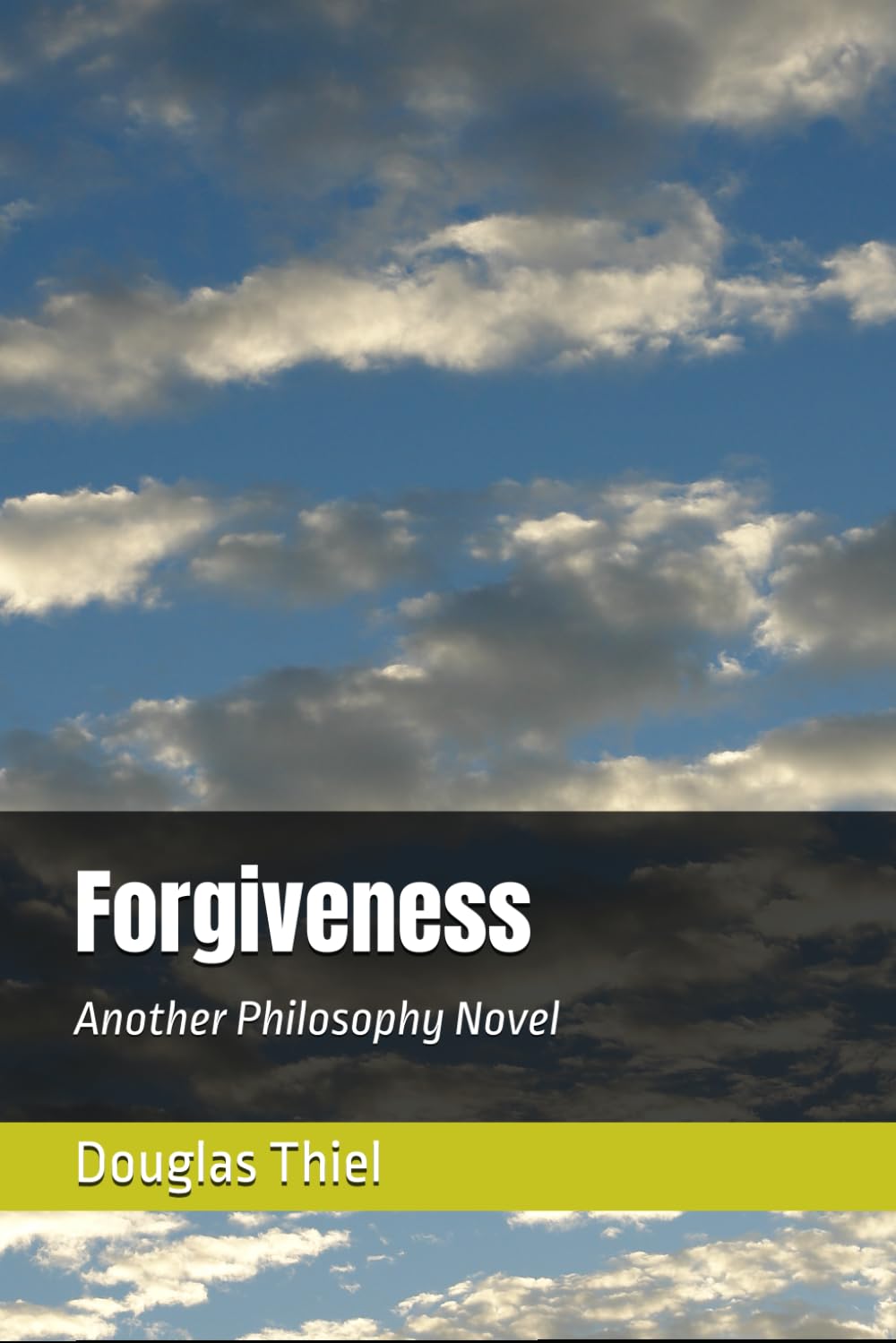
Douglas Thiel’s Forgiveness: Another Philosophy Novel does this with restraint and depth. The story follows a boy shaped by violence, war, and service. His life unfolds through Vietnam, law enforcement, education, and reflection. As his world expands, so does his understanding of responsibility and fault.
When his estranged father dies, the abstract question is forgiveness a virtue becomes unavoidable. Forgiveness turns inward. It forces reckoning with personal failure and inherited harm. The novel does not rush resolution. It respects uncertainty.
Readers interested in forgiveness as a virtue will recognize the philosophical tension. The book does not offer slogans. It offers lived inquiry.
For readers drawn to philosophy grounded in experience, Forgiveness: Another Philosophy Novel provides a thoughtful companion to these questions. It invites reflection without instruction and shows how forgiveness emerges through life rather than theory. Grab your own copy today.
Frequently Asked Questions
This question explores whether forgiveness should be considered a moral excellence that shapes character and contributes to human flourishing. Philosophers examine forgiveness not just as an emotional reaction but as a deliberate stance toward wrongdoing and moral judgment.
In virtue ethics, traits like courage and honesty guide a person toward right action and human flourishing. Forgiveness is measured by whether it promotes moral clarity and social trust, balances emotions like anger and resentment, and reflects authentic character rather than denial of harm.
No. Forgiveness and forgetting are distinct. Forgiveness is about changing one’s moral response to a wrong without erasing the memory of harm. True forgiveness acknowledges the wrong while choosing not to let it dominate future attitudes or actions.
Yes. Forgiveness concerns the injured person’s inner orientation, while justice involves fair external responses to wrongdoing. One can pursue justice (accountability, consequences) while still forgiving the offender personally.
Philosophers argue that forgiveness must be freely chosen with full recognition of harm. In some cases, withholding forgiveness may reflect moral seriousness or protect dignity. Forgiveness practiced too easily can undermine moral judgment.